1. Introduction
KL University ( I am a student there ) wanted to modernize hostel communications with a Public Addressing System that could play, schedule, and control music or announcements easily across multiple hostel blocks.
The system had to be simple enough for hostel wardens (age 30+), many of whom are not tech-savvy, yet powerful enough to handle event schedules like daily wakeup music, roll call, or emergency announcements.
2. Problem Statement
The old system depended heavily on manual announcements using microphones and speakers, which caused:
- Missed wake-up calls or meal reminders
- Last-minute panic during emergencies
- Complete dependency on trained operators
A centralized, easy-to-use, and error-proof system was urgently needed.
3. Project Goals
- Allow hostel wardens to play music or announcements immediately with one click.
- Enable scheduling for regular tasks like wake-up songs or night curfews.
- Minimal training required; it should feel natural even for non-tech users.
- Reliable even during high-pressure events (like fire drills).
4. Research Phase
4.1 User Interviews
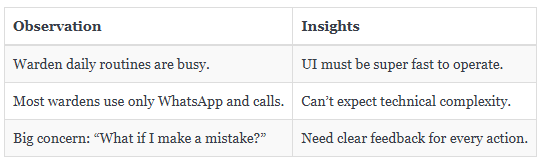
Conducted informal interviews with 5 hostel wardens and 2 hostel supervisors:
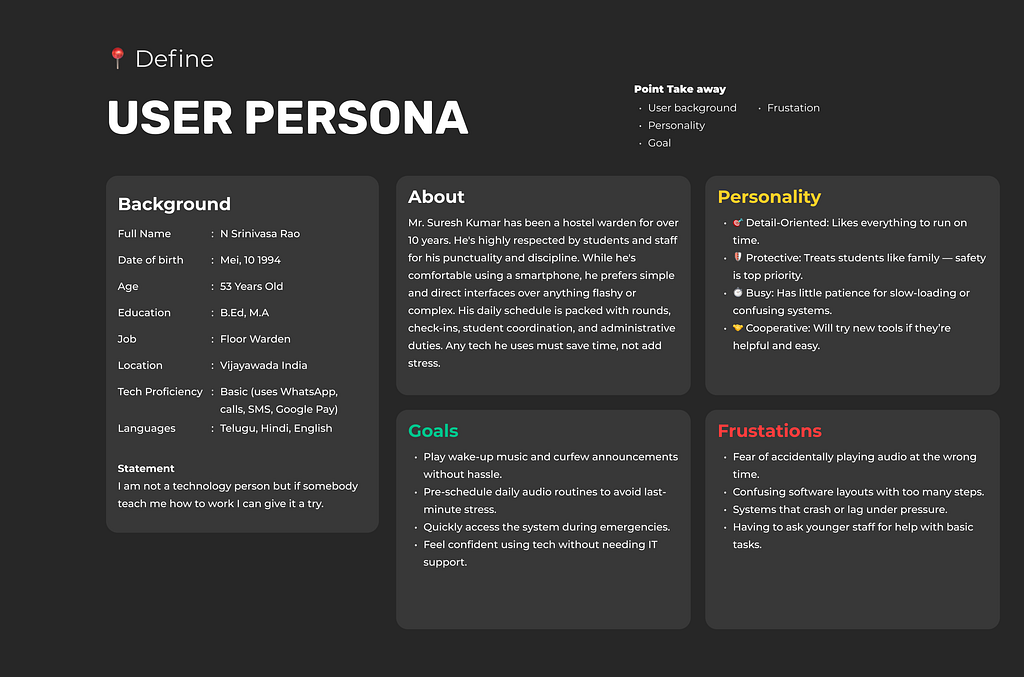
5. User Personas
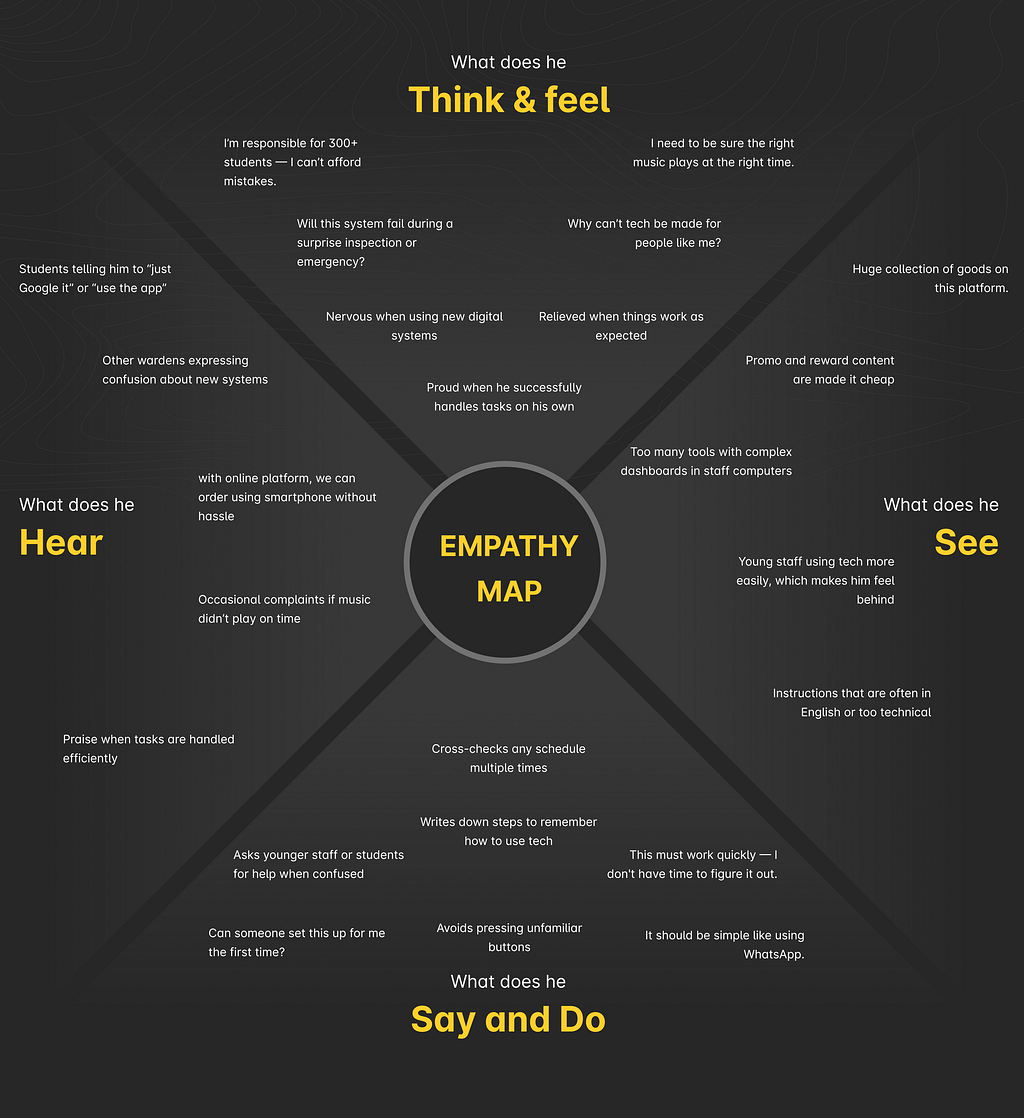
6. Empathy Map
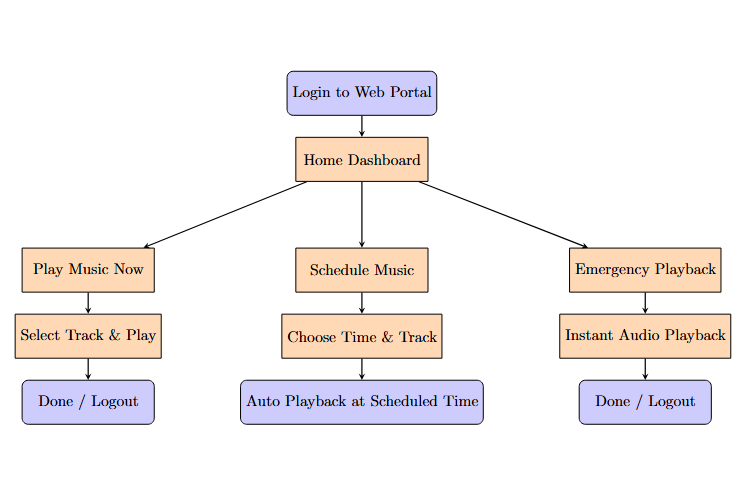
7. User Journey
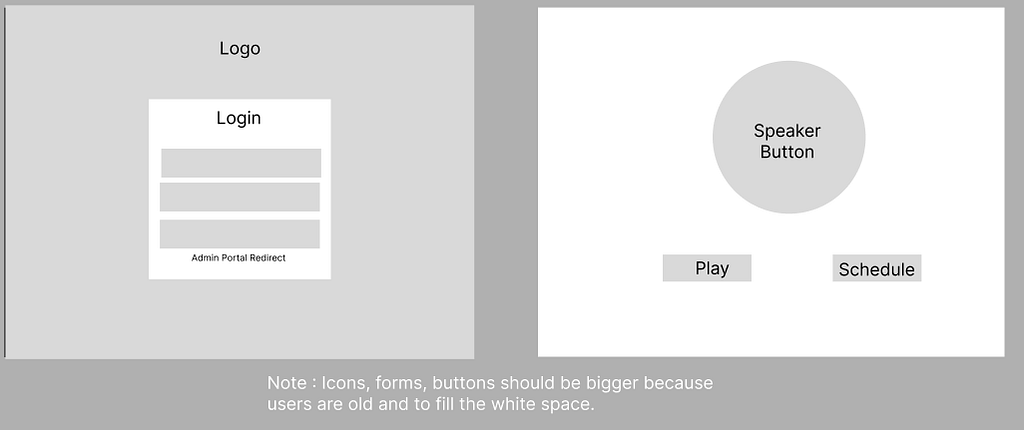
8. Lo-Fi Wireframes (Sketch Overview)
9. Final Design
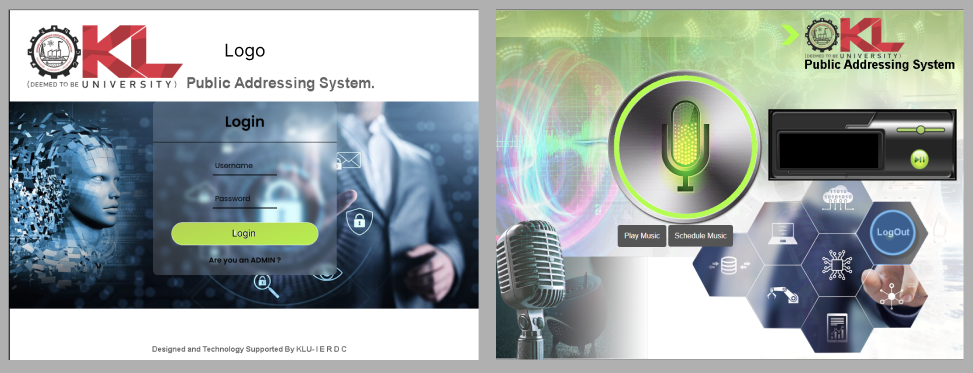
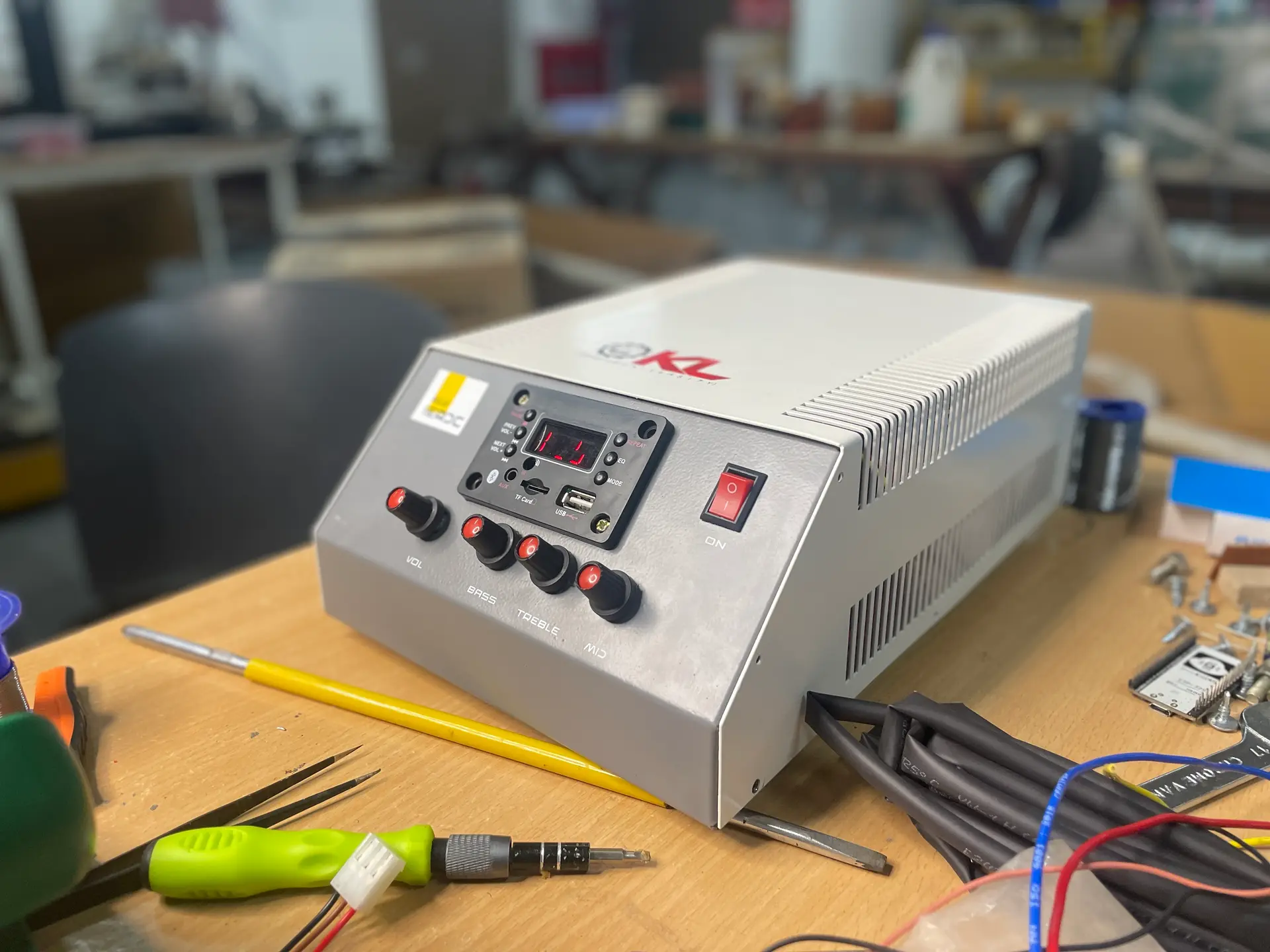
At first glance, the design may appear old-school, and that’s completely intentional.
The primary goal was not to impress with flashy visuals, but to eliminate the fear of technology for our users. In a setting where most wardens are over 30, and some even above 60, the interface had to feel instantly familiar, almost like using a radio or a landline phone.
The visual language and physical controls are deliberately simple, friendly, and intuitive. Every design choice, from large buttons to minimal text, was made so that even a 70-year-old warden could confidently use it without assistance.
In short, it’s a design that makes tech feel comfortable for users who’ve long stayed away from it.
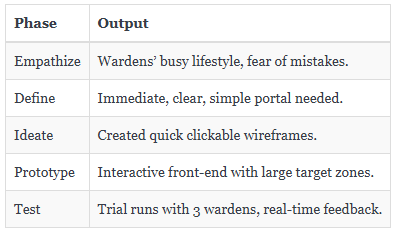
10. UX Process
11. Accessibility Considerations
- Large text and large buttons, ideal for fast operations.
- Visual feedback for any action (Success messages, glowing buttons).
- Keyboard operable shortcuts (Enter = Confirm).
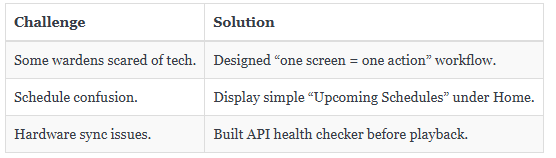
13. Challenges and Solutions
14. Key Outcomes
- 100% task completion on first try by wardens.
- 0 scheduling errors in trial runs over a month.
- Setup time: Less than 5 minutes for new warden onboarding.
- Very positive feedback: wardens felt “empowered” and “confident”.
15. Hardware Design
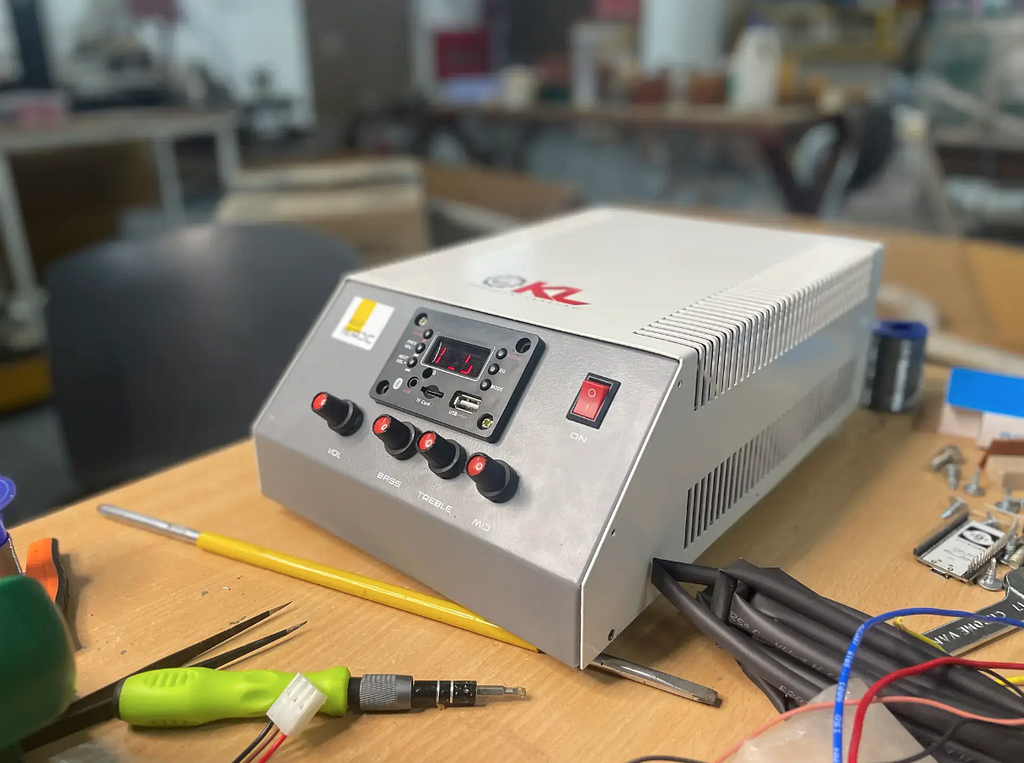
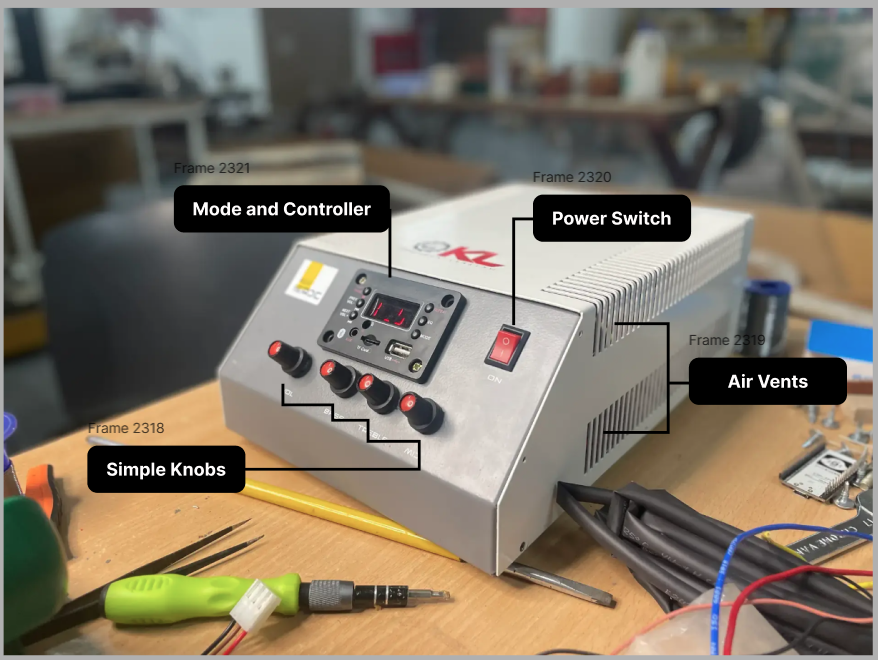
While designing the hardware, I focused on ensuring it was intuitive, accessible, and durable for non-technical users like hostel wardens. The key considerations included:
- Optimal Viewing Angle
The device is designed to sit comfortably on a desk or shelf, with a screen angle that ensures clear visibility whether the user is seated or standing.
- Comfortable Knobs
Physical knobs are sized and textured for easy grip, ensuring smooth control even for users with less dexterity or those wearing gloves.
- Reliable Switches
Toggle and push-button switches provide satisfying tactile feedback, reducing accidental presses and giving users confidence with every interaction.
- Simplicity in Understanding
Labels are clear and color-coded; icons are used wherever possible to eliminate confusion. The overall layout minimizes decision-making and speeds up operation.
Conclusion
Designing for non-technical users like hostel wardens demands that we strip away complexity and focus purely on clarity, speed, and emotional reassurance.
The KL University Hostel Public Address System achieves this. It lets wardens deliver timely announcements confidently and efficiently, every day.
Originally published on Medium.